

THE HEARTLINE JOURNEY
Energy • Reflection • Presence
For travelers seeking meaning, stillness, and spiritual connection
A journey created for moments in life when something needs to realign — when the mind is full, the heart is heavy, or the path ahead feels unclear. This is travel not to escape, but to return to yourself.
The Heartline Journey is shaped around stillness, wide horizons, and the quiet presence of places that have held human longing for thousands of years. Desert silence, sunrise light over sacred landscapes, slow mornings by the Nile, evenings where the world softens and your breath deepens — each moment designed to settle the nervous system and open space inside you.
This is for travelers who are carrying something: a loss, a transition, a question, a need for clarity, or simply the weight of a life lived too fast. Here, Egypt becomes less a destination and more a companion — a place that meets you without judgment and offers perspective through its ancient calm.
Designed with discretion and emotional intelligence, this path supports those who need a pause, a reset, or a shift that cannot happen in everyday life. A journey where you are not expected to perform, understand, or achieve — only to arrive, breathe, and let the country meet you where you are.
MEDITATION
DESERT SILENCE
SACRED SUNRISE
CONNECTING TO THE DEEPER ESSENCE OF EGYPT
21-DAY
ITINERARY
THE GEOGRAPHY
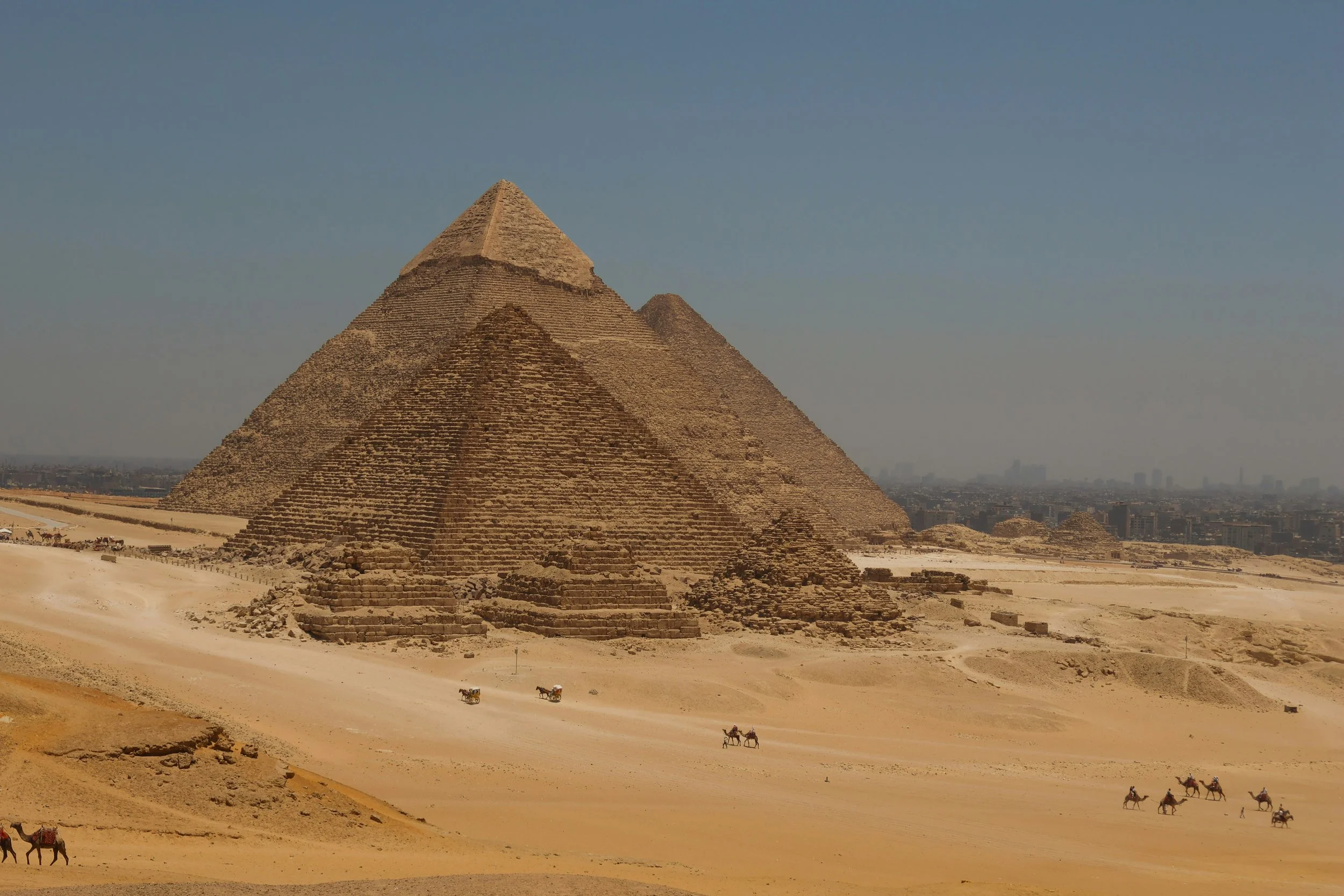
CAIROPyramids of the Giza Plateau
Great Sphinx
Valley Temple
SAQQARA Saqqara Necropolis
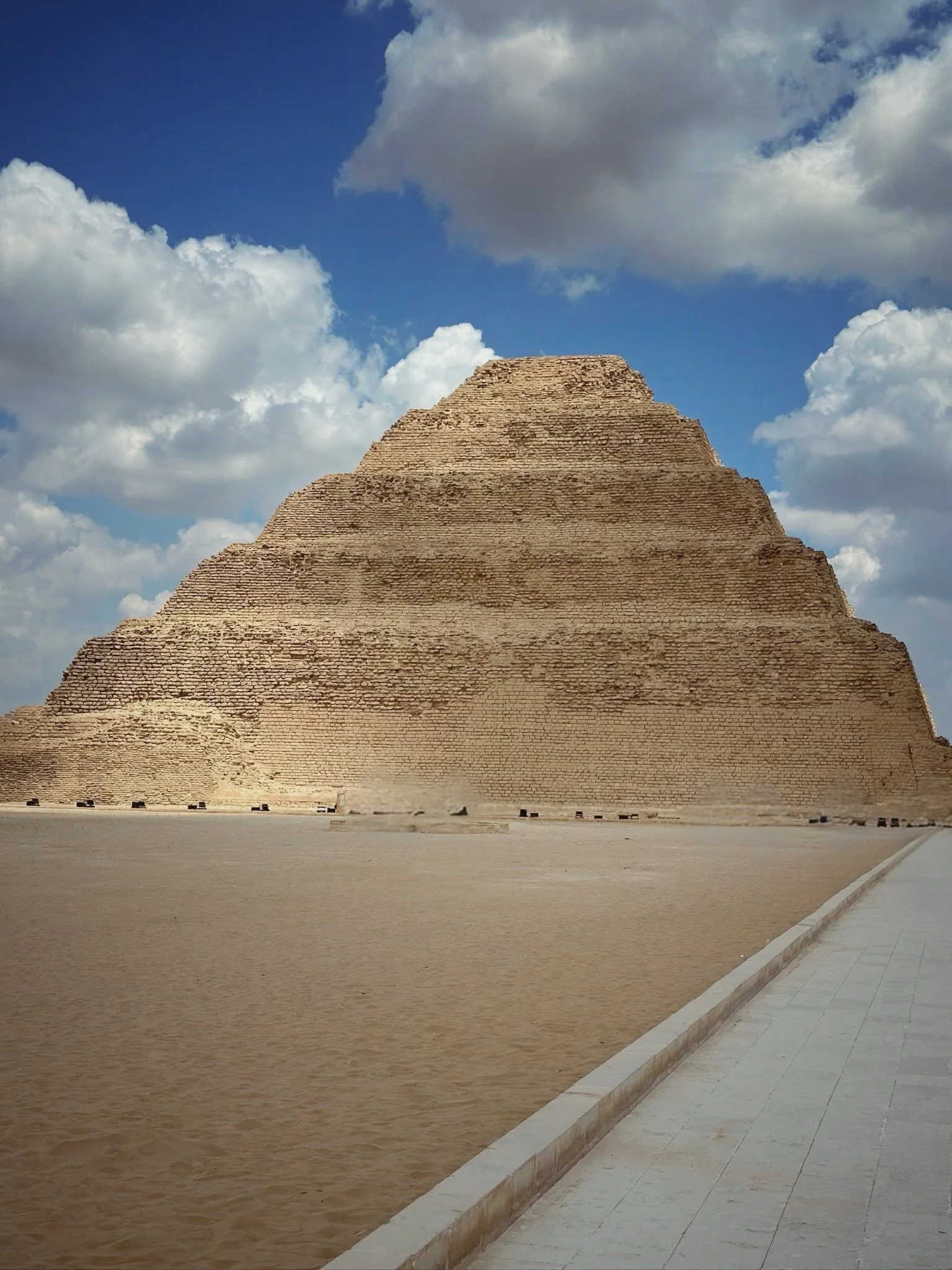
Step Pyramid of Djoser
QUSUR EL ARAB AREADesert lodge stay
Dinner and night under the desert sky
GHOROUD ABU MUHARRAKEgypt’s longest aligned dune system
Desert walking and dune landscapes
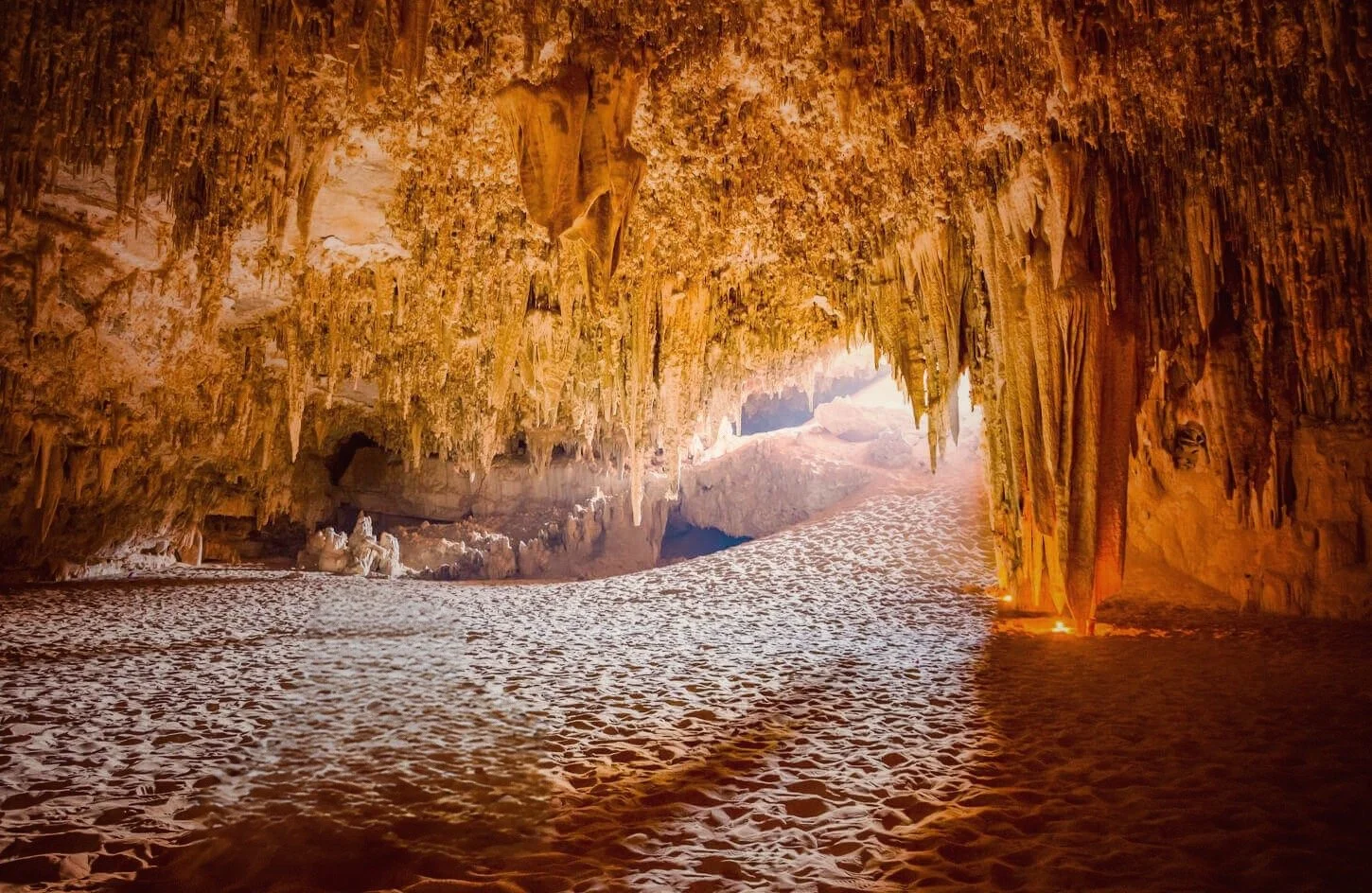
JARRAH CAVE REGIONRemote cave system deep inside the dunes
Walking routes within the dune field
CRYSTAL MOUNTAINCalcite formations of Crystal Mountain
EL HAIZESmall oasis blessed with a natural hot spring
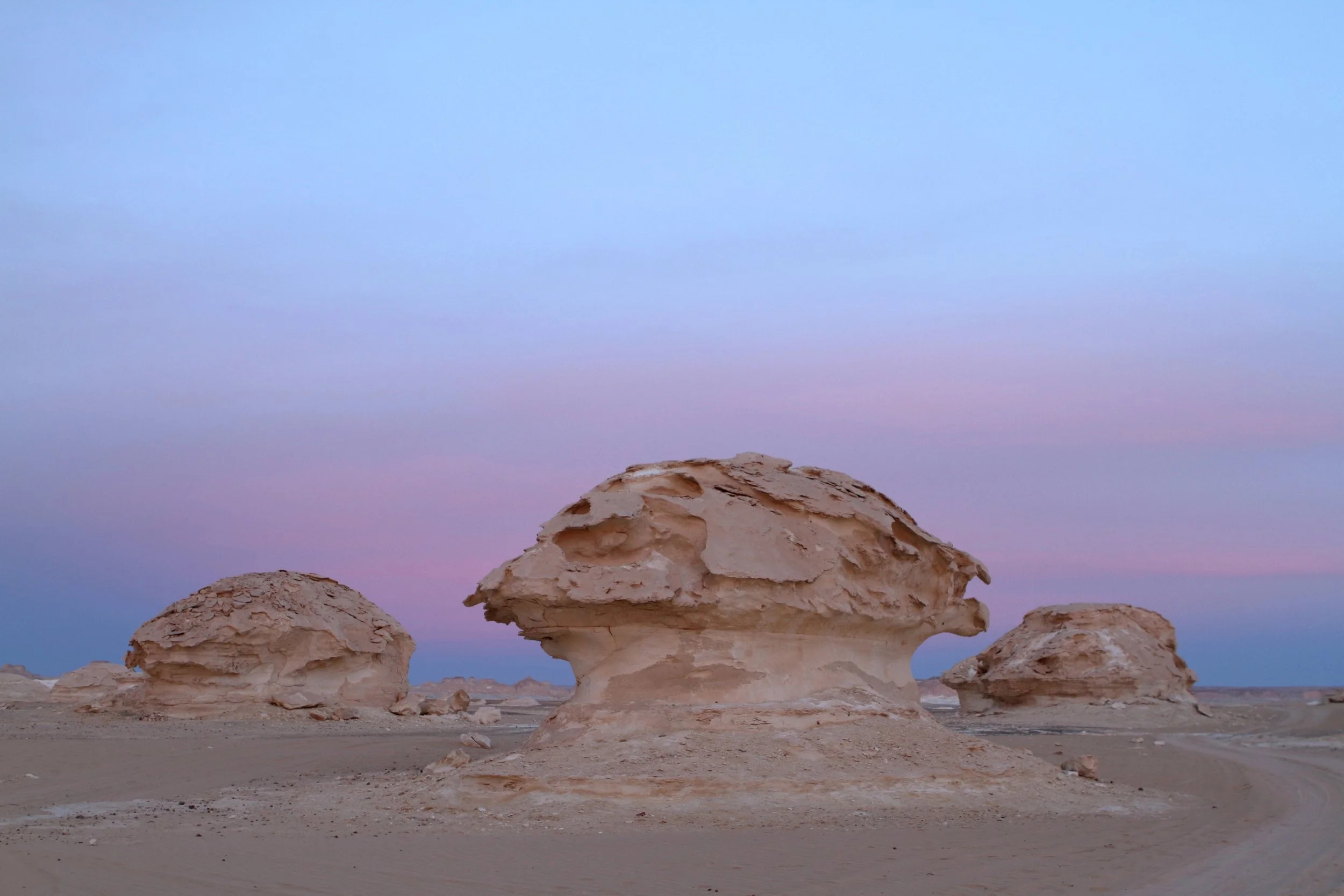
WHITE DESERTWind-carved chalk formations
Open landscapes and desert silence
Overnight camping or lodge stay
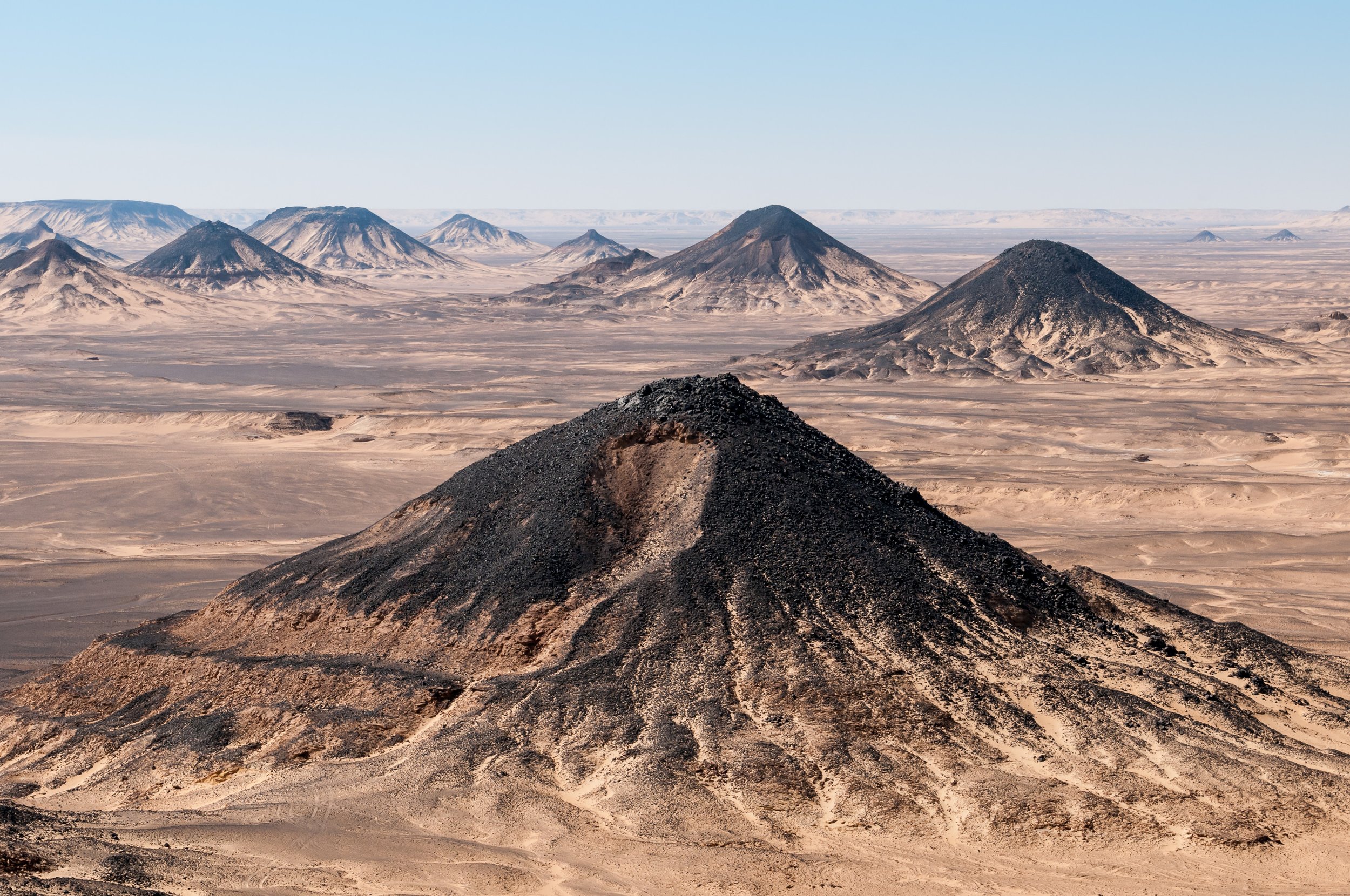
BLACK DESERTVolcanic hills and basalt-covered sand
Distinctive dark-topped cones from ancient activity
VALLEY OF AGABATDramatic limestone cliffs and narrow passes
Soft dunes contrasting with steep, sculpted formations
ASWANPhilae Temple
Unfinished Obelisk
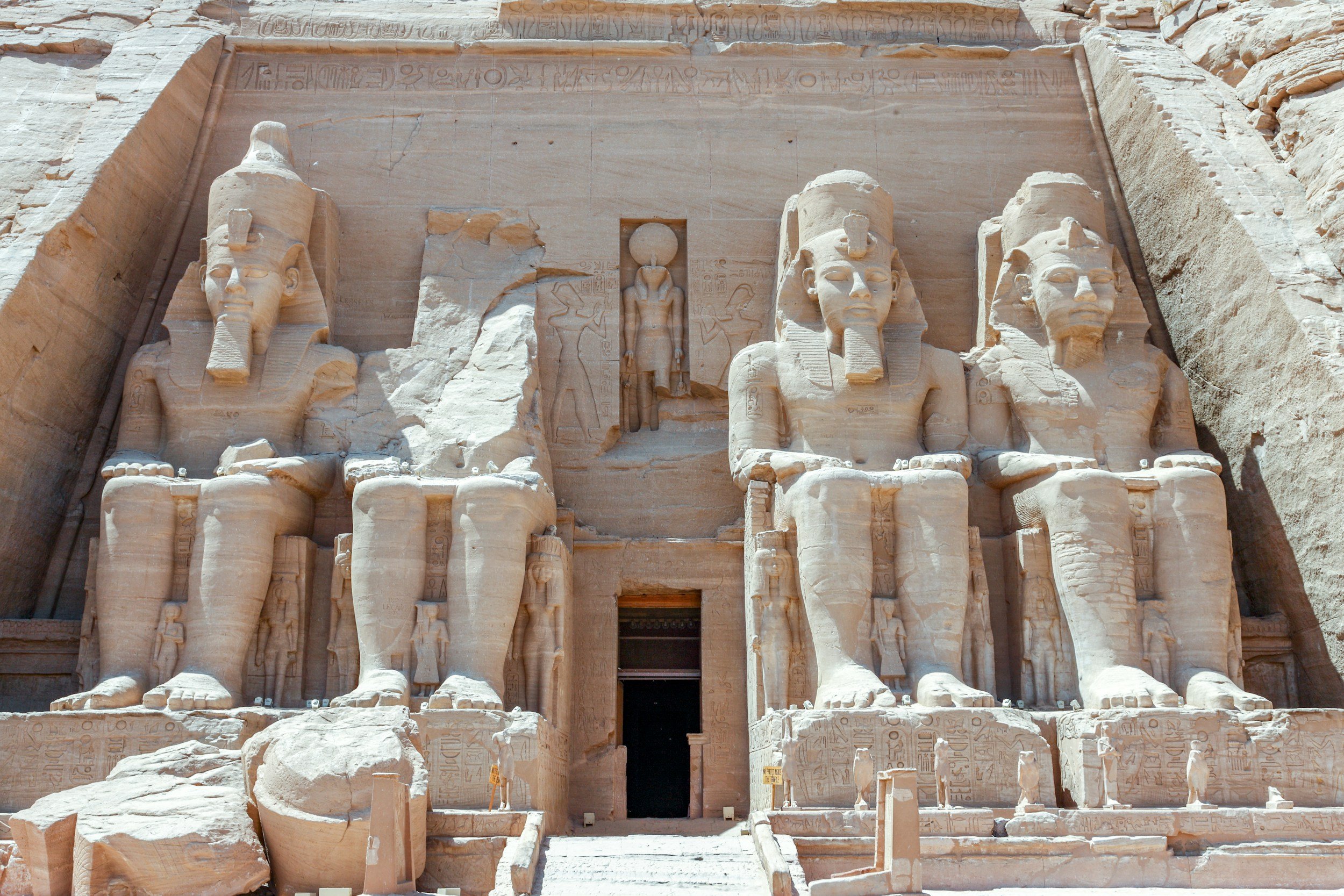
ABU SIMBELGreat Temple of Ramesses II
Temple of Queen Nefertari
KOM OMBODouble Temple of Sobek & Horus the Elder
Crocodile Museum
GEBEL EL-SILSILASandstone Quarry Cliffs
ESNATemple of Khnum
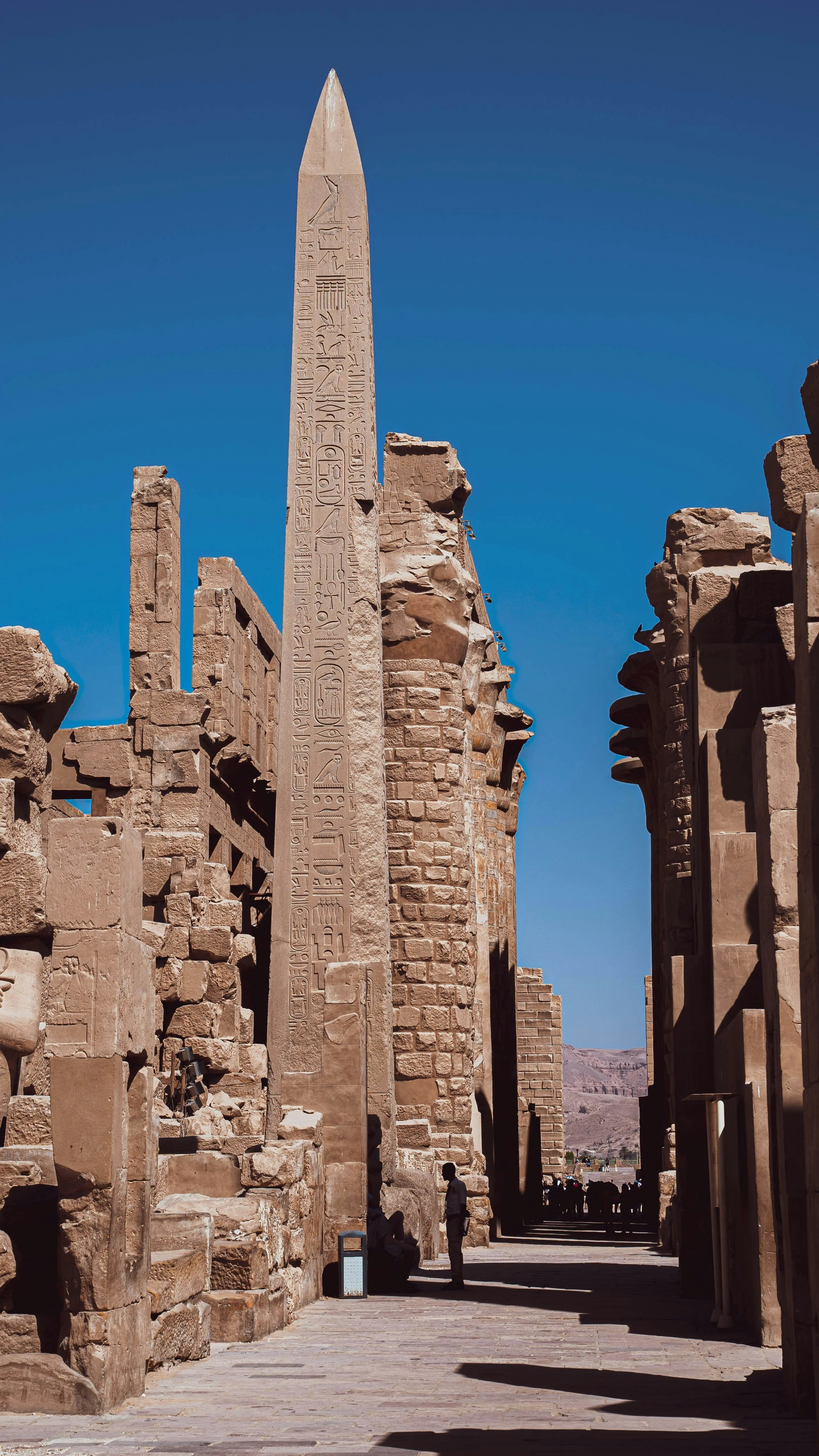
LUXOR – EAST BANKKarnak Temple
Luxor Temple
LUXOR – WEST BANKValley of the Kings
Valley of the Queens
Temple of Hatshepsut
ABYDOSTemple of Seti I
DENDERATemple of Hathor
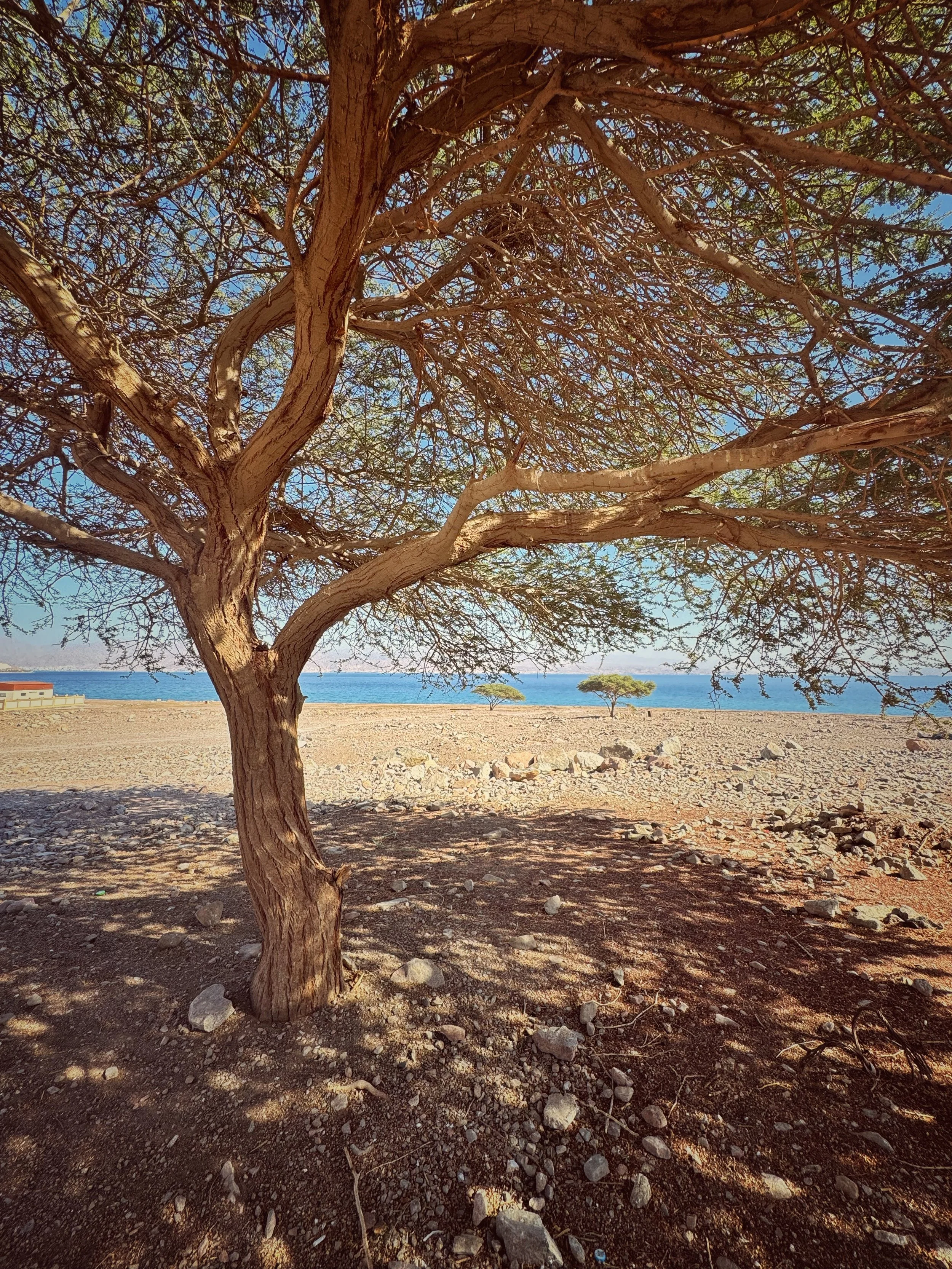
SINAITaba
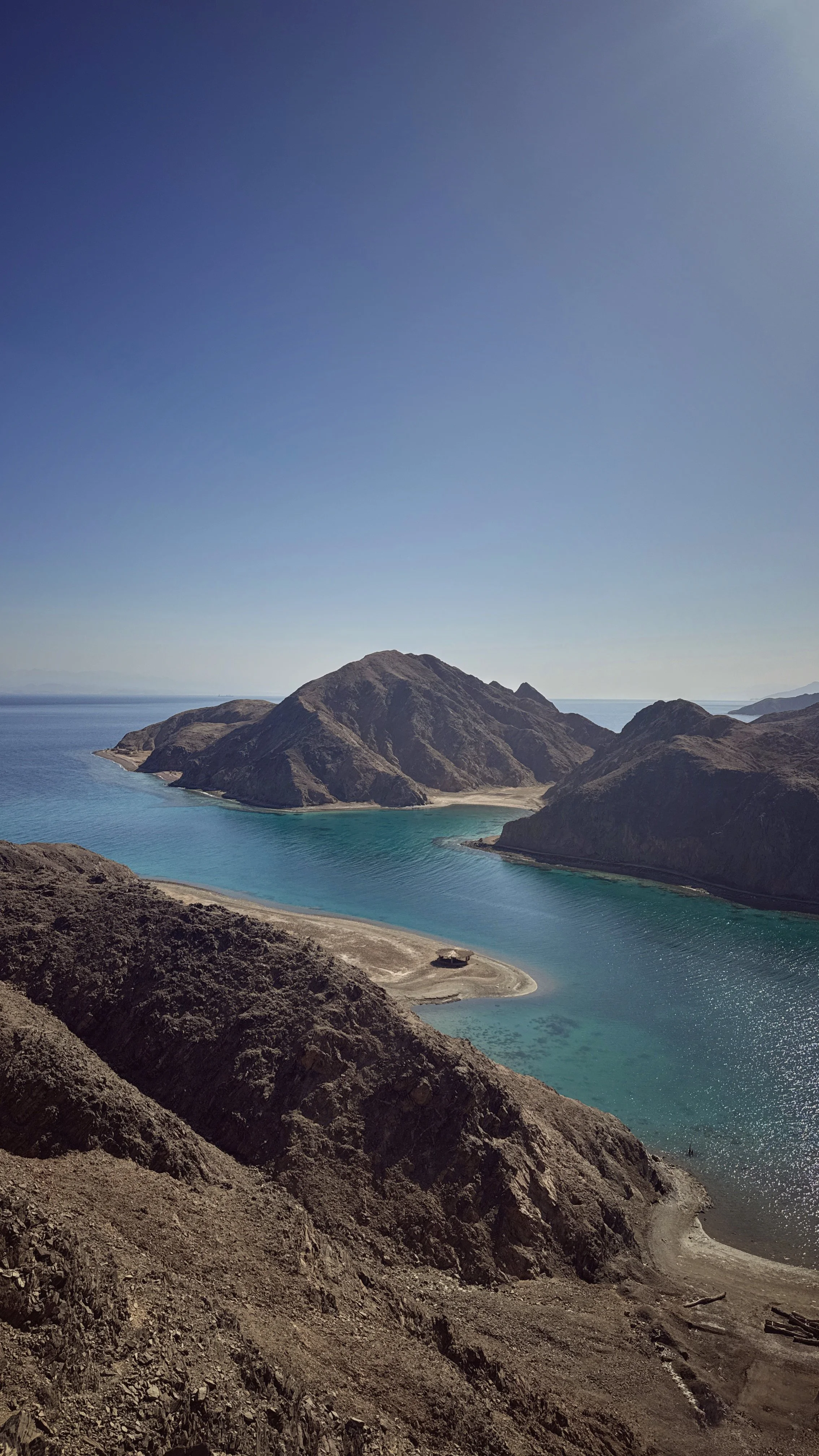
Fjord Bay
Red Sea
DETAILED ITINERARY
-
Welcome to Egypt 🇪🇬 ☀️
Ritual Moment
Gentle breathwork and intention-setting to mark the beginning of the journey.
Overview
Arrival in Cairo is structured to reduce friction from the first step. Formalities are managed with efficiency and discretion, allowing the nervous system to transition gradually rather than abruptly. The day is intentionally light — designed not to impress, but to create stability and space before deeper layers of the journey unfold.Itinerary
VIP Fast-Track Airport Arrival Service
On arrival at Cairo International Airport, a dedicated airport concierge meets you inside the terminal and fast-tracks visa formalities, passport control, and luggage assistance, escorting you through to the terminal exit for your private transfer.Private Transfer to Hotel
You are transferred in a private vehicle to your 5-star hotel for check-in.Hotel Check-in & Orientation
After reaching your hotel, your tour manager assists with check-in and walks you through the itinerary, confirming pickup times and logistics for the days ahead.Evening at Leisure
Time to rest, adjust, and allow the body to adapt to its new surroundings.Meals: —
Overnight: CairoVisits: —
-
Ritual Moment
Silent sunrise meditation facing the pyramids, aligning intention with light and ancient geometry.
At first light on the plateau, a quiet pause before the architecture is approached — a moment to stand in stillness, breathe, and let the scale and geometry settle inward before the day unfolds.
Overview
First light on the plateau brings a rare clarity to Giza. Before the heat and movement of the day, the site reads as it was intended: a planned landscape of geometry, alignment, and authority. The morning moves from stillness into understanding — space first, then architecture with context and precision.Itinerary
Early Morning Pickup – From Your Hotel
Early pickup from your hotel in a private vehicle for the drive to the Giza Plateau, timed for first light.Sunrise access to the Giza Plateau
Open horizon, cool air, and the pyramids emerging with the slow shift of light. The plateau feels expansive and quiet, allowing the scale to land without distraction.Great Pyramid and adjoining pyramid complexes
A measured walk across the plateau to encounter the pyramids as one system rather than isolated monuments. Emphasis on structure and intention: placement, proportion, causeways, and the logic of a royal landscape designed to endure.Great Sphinx and Valley Temple
The Sphinx approached as guardian and threshold — carved from the plateau itself, facing the rising sun. The visit continues into the Valley Temple, where massive limestone blocks and controlled ritual architecture suggest how the body once moved through ceremonial space.Return to Hotel
A quiet drive back through the city, carrying the morning’s stillness with you as the day resumes around it.Meals: Breakfast, Lunch
Overnight: CairoVisits:
• Giza Pyramids
• Great Sphinx
• Valley Temple -
Ritual Moment
Walking meditation focused on origins, grounding, and the ancient intelligence that first gave form to permanence.
Overview
This day is devoted to Saqqara, the earliest large-scale stone complex in Egypt, where the idea of permanence was first translated into form. With private northern access to the Step Pyramid, the visit unfolds with space and continuity. The program explores the architectural innovation of the Third Dynasty and the broader necropolis that established the template for royal funerary landscapes to follow.Itinerary
Morning Departure from Cairo
Drive south toward Saqqara as the city gradually recedes into open desert.Private Northern Access to the Step Pyramid of Djoser
Enter the complex from a quieter approach, allowing time within the courtyards and along the enclosure walls to observe proportion, symmetry, and the architectural experimentation that marked a turning point in Egyptian history.Saqqara Necropolis Exploration
Visit selected tomb complexes within the necropolis, where carved reliefs reveal daily life, administrative systems, and the continuity between individual legacy and state formation.Return to your hotel in Cairo
Drive back across the plateau toward the city, carrying the steadiness of stone into the evening.Meals: Breakfast, Lunch
Overnight: CairoVisits:
• Saqqara Necropolis
• Step Pyramid of Djoser -
Ritual Moment
Arrival in the open desert, releasing mental noise and welcoming stillness.
Overview
This day carries you beyond structure and into elemental space. The horizon widens, sound softens, and the body begins to register scale differently. In the open desert of Qasr Al-Arab, stillness is inherent to the landscape. Wind, sand, and sky form a simple, uninterrupted field. The vastness of the desert gently recenters the mind, drawing scattered attention back into focus and settling the nervous system into a quiet, steady calm. At night, the sky fills with stars, unobstructed and luminous, extending that sense of clarity and scale into the darkness.Vehicle Transition – Desert Edge
At the edge of the desert, change vehicles and continue the journey by private 4×4. This transition marks the shift from paved roads to off-road exploration, as the route moves beyond inhabited land and into older geological layers shaped by wind, sediment, and time.Drive Toward the Fayoum Desert Interior
Proceed deeper into the desert by 4×4, following routes that connect ancient settlement zones, fossil plains, lakes, and dune systems. The progression is gradual and logical — from human presence at the desert rim to the expansive, open environments surrounding the western dunes.Arrival at Qusur El Arab Area
Drive deep into the Qasr Al-Arab desert until the terrain opens fully — wide sand plains framed by low sandstone cliffs and weathered rock formations. Within this open expanse, you choose the exact location for the evening’s camp: near the base of the stone ridges, along the open flats, or wherever the horizon feels most aligned. The camp is then prepared on site, with tents and bedding arranged directly within the landscape, allowing the setting itself to shape the experience.Afternoon, Evening & Overnight in the Desert
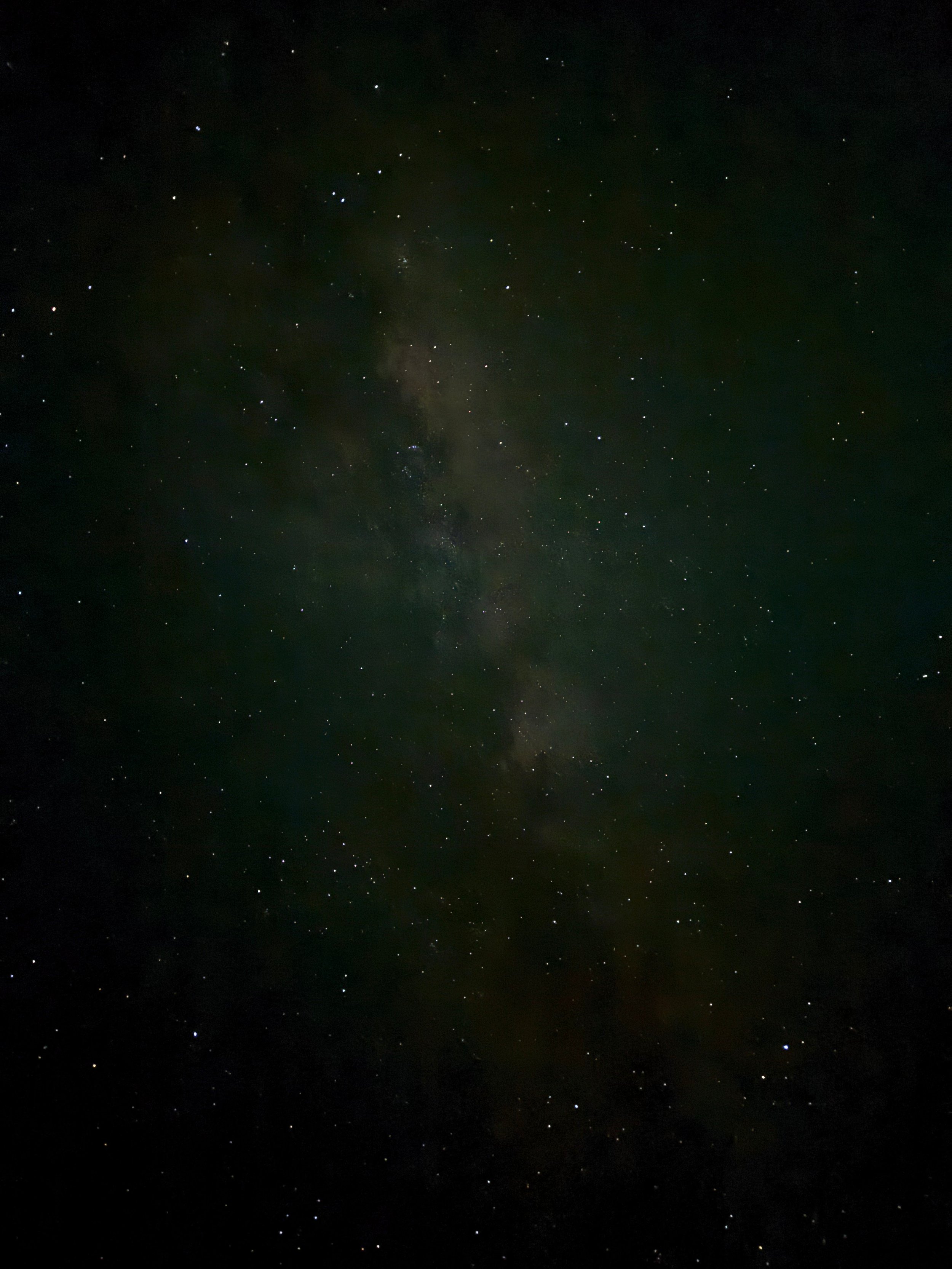
The remainder of the day unfolds entirely within this chosen space. Time moves without structure — walking among the cliffs, sitting with the wind, watching the light shift across stone and sand. Dinner is served in the open air. As darkness settles, the sky fills densely with stars, uninterrupted by artificial light. Sleep comes beneath that same vast canopy, held by desert quiet and open horizon.
Meals: Breakfast, Lunch, Dinner
Overnight: Desert CampVisits: Qusur El Arab
-
Ritual Moment
Water-blessing ritual by the lake, symbolizing emotional clarity and renewal.
Overview
The day begins at water and moves gradually into deeper desert, tracing a natural arc from emotional clarity to elemental vastness. From the lake’s reflective surface to the long dune corridors of Ghoroud Abu Muharrak and the limestone passages of Agabat, the landscape becomes progressively more stripped down and expansive. Walking through these environments shifts attention outward first, then inward. By the time the White Desert region is reached, the scale of space and silence creates a steadying effect, drawing thought into simplicity and anchoring presence in the body.Itinerary
Morning by the Lake
Begin at the water’s edge in Fayoum, where the still surface mirrors sky and horizon. This marks the emotional transition point before entering open desert terrain.Journey Toward Jarrah Cave
Travel by 4×4 into the dune systems and begin a gradual walk through wide sand corridors toward Jarrah Cave. The cave rests within a remote pocket of the dunes, surrounded by wind-shaped ridges and quiet expanses that emphasize age and geological time.Lunch Within the Dunes
Pause for lunch in a sheltered dune basin, framed by natural sand walls and open sky above.Ghoroud Abu Muharrak Dune System
Continue through one of Egypt’s longest dune chains. The long, parallel ridges create a natural rhythm in the landscape, encouraging a steady pace and measured breath.Agabat Sahrawia & Transition Toward the White Desert
Travel onward through Agabat, where limestone formations rise from the sand in sculptural shapes and wide amphitheaters. This marks the geological shift toward the chalk plateaus of the White Desert region.Arrival at Desert Camp – White Desert Region
Settle into camp as evening light softens across the formations. Dinner is prepared on site, and the night unfolds beneath a sky dense with stars, the surrounding desert extending in every direction.Meals: Breakfast, Lunch, Dinner
Overnight: Desert CampVisits:
• Jarrah Cave
• Ghoroud Abu Muharrak
• Agabat Sahrawia -
Ritual Moment
Silent walking among chalk formations, inviting mental clarity and refined perspective.
Overview
Enter the heart of the White Desert, moving from soft dune landscapes into the chalk plains that define this region. The day focuses on slow, grounded exploration — walking among wind-sculpted formations, observing the scale and quiet of the open plateau, and settling into camp near the desert mangroves. The shift in terrain is clear and gradual, giving a sense of progression as the environment changes from sand to stone, from enclosed dunes to broad white horizons.Itinerary
Morning Stop at Jarrah Cave
A brief opportunity to revisit Jarrah Cave in daylight. The morning light reveals the textures and natural contours of the cave more clearly, allowing a calm, measured start before moving into the chalk plateau.Enter the White Desert
Continue by 4×4 into the White Desert, where the terrain shifts from dunes to solid chalk. The approach is gradual — sand thins out, the ground becomes pale, and isolated formations begin to rise out of the flat horizon. This transition marks the entrance into one of Egypt’s most distinctive natural areas.Walking Tour Through the White Desert
Walk among the formations shaped naturally by wind: mushroom structures, animal-like silhouettes, and compact ridges formed through thousands of years of erosion. The walk is unhurried, allowing the environment to be experienced at scale — its quiet, its openness, and the clarity of the desert light.Camp Beside the Desert Mangroves
Set up camp near the desert mangrove area, an unexpected pocket of vegetation within the White Desert region. Dinner is prepared on-site by the desert team, and the evening unfolds in stillness — soft light, wide sky, and a landscape that feels entirely removed from inhabited space.Meals: Breakfast, Lunch, Dinner
Overnight: Desert campVisits:
• Jarrah Cave
• White Desert National Park
• Desert Mangroves -
Ritual Moment
Acknowledging transition — carrying desert clarity back into structured life.
Overview
This day completes the Western Desert arc, moving gradually from the white chalk plains into mineral ridges and volcanic fields before re-entering the settled basin of Bahariya Oasis and continuing toward Cairo. The terrain shifts in distinct layers — from luminous crystal formations to dark basalt hills, then into palm groves and cultivated land. Each landscape marks a stage of return, offering a steady reintroduction to structure after days of elemental openness. The movement back toward the Nile Valley is intentional and measured, allowing desert clarity to remain intact rather than dissolve with momentum.Itinerary
Breakfast at Camp
Begin the morning in the open desert, with early light settling across the chalk formations one final time before departure.Crystal Mountain
Stop at Crystal Mountain, a natural ridge composed of calcite crystals formed under intense geological pressure. Exposed veins catch and scatter sunlight, creating a fractured, shimmering surface rising from the desert floor — a mineral expression of compression and transformation.Lunch in the Desert
Pause for lunch in a sheltered area chosen for openness and quiet, maintaining the rhythm of the journey before transition continues.Black Desert
Cross the volcanic plains of the Black Desert, where ancient eruptions left hills capped with dark basalt. The contrast between black peaks and pale sand forms one of the Western Desert’s most striking geological landscapes.El Haize Oasis
Pass through this small desert settlement known for its natural spring and palm clusters — a subtle signal of cultivated life returning to view.Arrival in Bahariya Oasis
Enter Bahariya’s green basin, where palm groves and low ridges frame the first sustained settlement after days in remote terrain. Here, transition from 4×4 desert vehicle to standard transport for the onward journey.Return Drive to Cairo
Drive back toward the Nile Valley as desert plateaus gradually give way to structured fields and urban outline.Arrival in Cairo
Settle into your hotel for the evening, allowing the desert sequence to integrate before the next chapter of the journey begins.Meals: Breakfast, Lunch
Overnight: CairoVisits:
• Crystal Mountain
• Black Desert
• Bahariya Oasis -
Ritual Moment
Arrival in a new desert landscape, noticing the shift in light and atmosphere.
Overview
Today the journey moves from one expression of desert to another. The pale, wind-shaped expanses of Fayoum give way to the granite-based landscape of Aswan — warmer in tone, heavier in stone, and threaded by the Nile. Though both are desert, their character differs profoundly. The south carries a grounded stillness shaped by rock and river. This is a day of perceptible change: in light, in air, in rhythm.Itinerary
Morning Departure & Flight South
Leave Cairo and rise above the country, watching the terrain reorganize itself below — agricultural grids thinning into sand, the Nile carving a deliberate line through the land. From above, the relationship between river and desert becomes clear, a reminder of how settlement and wilderness coexist in tension and balance.Descent into Aswan
As the aircraft lowers, granite outcrops begin to appear — darker, denser, anchoring the horizon. The quality of light shifts subtly; it feels warmer against stone than it did against chalk and sand. Arrival here is not dramatic. It is steady.Arrival & Transfer to Your Hotel
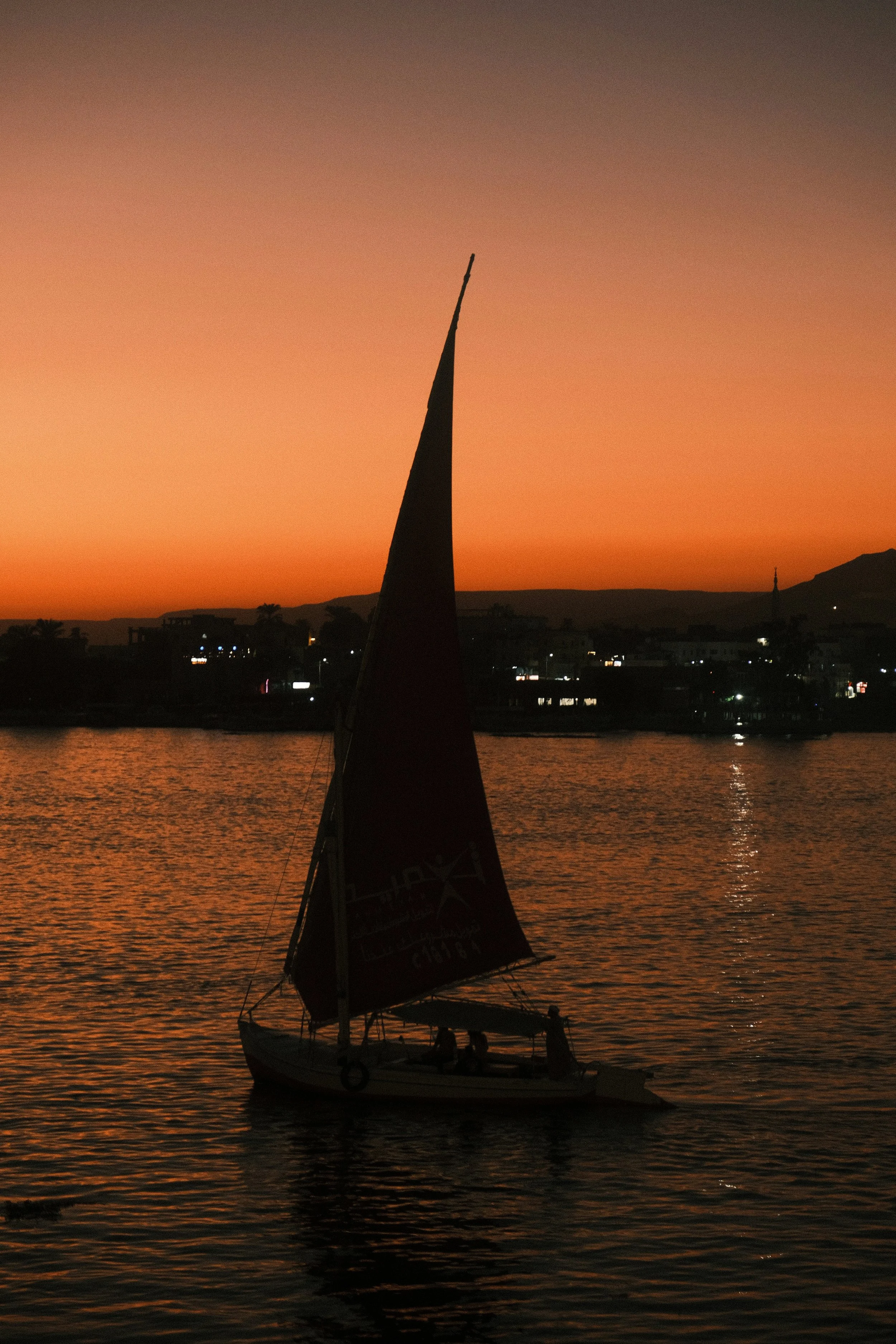
Drive along riverbanks and low granite ridges toward your hotel. Palm groves, feluccas, and open stretches of Nile begin to replace dune corridors. The environment signals a different kind of desert — one shaped by water and permanence.Afternoon at Ease in Aswan
The remainder of the day is left open intentionally. Time to step outside, feel the southern sun on stone rather than sand, notice how the body responds to this new landscape. The pace here is slower, more grounded, and distinctly river-bound. No program interrupts that shift.Meals: Breakfast
Overnight: AswanVisits: —
-
Ritual Moment
Sunrise before monumental scale, reflecting on legacy and the weight of intention.
Overview
A pre-dawn departure carries you deep into Nubia, reaching Abu Simbel at sunrise when light gradually reveals the carved façade from shadow into form. In these early hours, the monument feels deliberate and composed — architecture rising directly from living rock at Egypt’s southern frontier. The colossal figures, celestial alignment, and precision of execution speak to long-term vision and engineered permanence. The twentieth-century relocation of the temples adds another layer of continuity — human determination meeting time and landscape once again. This is a day about scale: of ambition, endurance, and what it means to build with intention across generations.Itinerary
Early Dawn Departure from Aswan
Very early pickup from your hotel for the 3.5-hour overland journey south toward Abu Simbel. The drive unfolds across wide Nubian desert as first light begins to appear on the horizon, gradually revealing the landscape before arrival at the temples.Abu Simbel – Great Temple of Ramesses II
Arrive as the first light reaches the façade, illuminating the four seated colossi of Ramesses II carved into the cliff. Inside, monumental halls and reliefs celebrate royal power, divine authority, and the king’s military achievements, including the Battle of Kadesh. The alignment of the temple reflects advanced astronomical planning, reinforcing its symbolic importance.Temple of Queen Nefertari
Visit the smaller but equally refined temple dedicated to Queen Nefertari and the goddess Hathor. Its façade, carved with standing colossi of the queen and the king, is unique in ancient Egypt, marking one of the rare instances where a royal consort is depicted on an equal scale.Return to Aswan
Begin the return drive through the southern desert and arrive back at your hotel, allowing the scale of the day to settle into quieter reflection.Remainder of the Day at Leisure
The rest of the day is intentionally left open. After the scale and precision of Abu Simbel, time returns to a quieter rhythm in Aswan. Whether you choose to rest, sit by the Nile, or step out briefly into the southern light, the afternoon belongs entirely to you — an opportunity to let the magnitude of the first part of the day settle without interruption.Meals: Breakfast, Lunch
Overnight: AswanVisits:
• Great Temple of Ramesses II
• Temple of Queen Nefertari -
Ritual Moment
Island stillness at Philae, aligning with devotion, water, and continuity.
Overview
The day unfolds between sacred island sanctuary and raw granite bedrock before transitioning fully onto the Nile. In Aswan, water and stone define the rhythm of place — temples rising from riverbanks and obelisks carved directly from the earth itself. This sequence reveals both refinement and effort: spiritual architecture shaped with precision, and the physical labor required to extract monumentality from living rock. By evening, the shift from land to river signals a deeper change in pace, as movement becomes fluid and the Nile takes over as the guiding axis of the journey north.Itinerary
Hotel Pickup in Aswan
Very early pickup from your hotel to reach Agilkia Island, where Philae Temple stands, at opening time. The early arrival allows the temple complex to be experienced in its quietest hour, as the first light settles across the water and stone. This timing creates a more intimate and composed encounter with the island sanctuary before the day unfolds further.Philae Temple
Begin your Aswan day with a boat ride to Philae, one of Egypt’s most atmospheric temple complexes. Approaching the island by water sets the tone: quiet, graceful, and anchored in centuries of devotion to Isis. Within its colonnades and inner courts, reliefs, sanctuaries, and chapels reflect a layered history that continued well into the Roman era. The setting — water, rock, and temple stone — creates a sense of clarity and stillness that makes Philae one of Upper Egypt’s most memorable sites.Unfinished Obelisk
Continue to the granite quarries to see the Unfinished Obelisk, still embedded in the bedrock where ancient craftsmen worked. Its massive scale reveals how obelisks were carved directly from the stone, with tool marks and a natural crack showing precisely why this one was abandoned. The site offers a rare and tangible view into ancient engineering and the sheer physical demands of monumental construction.Return to Hotel & Preparation for Embarkation
Return to your hotel to gather belongings and prepare for the river segment of the journey.Dahabeya Embarkation
Board your private dahabeya in the late afternoon or evening and settle into your cabin. The transition from land-based exploration to river life is immediate — quieter, more contained, and rhythmically slower. Moored along the banks of Aswan, the vessel offers a new vantage point of the granite landscape and river horizon.Evening Docked on the Nile
The evening unfolds on board while the dahabeya remains anchored in Aswan. Time on deck allows you to observe the river in its natural rhythm — feluccas passing, soft light settling over the water, granite ridges deepening in tone as the sun lowers. This gentle pause before sailing north creates space for the shift into river life to settle gradually and comfortably.Meals: Breakfast, Lunch, Dinner
Overnight: Private DahabeyaVisits:
• Philae Temple
• Unfinished Obelisk -
Ritual Moment
River-gazing meditation from deck.
Overview
The Nile shifts from scenery to lived environment. Movement is steady and rhythmic, with riverbanks unfolding at the pace of wind and current. Today connects material and meaning: sandstone cliffs that supplied Egypt’s great temples, riverside communities that continue an agricultural rhythm thousands of years old, and sanctuaries dedicated to creation and renewal. Sailing becomes the foundation of the day, with each visit emerging naturally from the river’s continuous flow.Itinerary
Morning Sailing
Awaken as the dahabeya moves north. Palm groves, cultivated fields, and village life pass quietly along the banks. The repetition of water, sail, and horizon establishes a grounded cadence.Kom Ombo Temple
Arrive at Kom Ombo, uniquely built as a perfectly symmetrical double temple dedicated to two deities: Sobek, the crocodile god associated with strength and fertility, and Horus the Elder, linked to protection and kingship. Twin entrances, twin halls, and twin sanctuaries reinforce this duality. Reliefs throughout the complex illustrate offerings, rituals, and — most famously —a set of carvings interpreted as ancient medical instruments, offering insight into Ptolemaic knowledge and practice. Its location directly on the riverbank adds a dramatic setting, especially in late afternoon light.Crocodile Museum
Step inside the Crocodile Museum, located directly beside the Kom Ombo Temple — a placement that reflects its close historical connection to the cult of Sobek. Inside, a carefully curated collection displays mummified crocodiles of varying sizes, votive offerings, and ritual artifacts once dedicated to the god. The museum bridges the environment, the temple, and ancient belief: the crocodiles that once inhabited this bend of the Nile, the inscriptions carved into the temple walls, and the everyday devotion of local communities all converge here in one clear, tangible narrative.Gebel el-Silsila
Disembark at Gebel el-Silsila, the primary sandstone quarry for many of Egypt’s major temple complexes, including Karnak. Sheer cliffs rise directly from the Nile, marked by ancient extraction channels and worker inscriptions. Small shrines carved into the rock suggest that even sites of labor held ritual significance. Here, the origin of temple stone is visible in its raw state.Continue Sailing
Return on board and resume sailing. The river widens again, and cultivated land extends along its edges. Time on deck allows attention to settle into the steady movement of the current.Esna Temple
Arrive at Esna and descend into the Temple of Khnum, dedicated to the ram-headed creator god associated with the Nile’s generative power. The hypostyle hall remains remarkably preserved, with detailed astronomical ceilings and reliefs reflecting temple construction during the Ptolemaic and Roman periods. Built below modern ground level, the temple reveals layers of accumulated time within the town.Evening Onboard Dining
Dinner is served on board as the dahabeya continues its quiet course. The river darkens gradually, village lights reflecting softly across the water.Meals: Breakfast, Lunch, Dinner
Overnight: Private DahabeyaVisits:
• Gebel el-Silsila
• Esna Temple -
Ritual Moment
Energy-alignment meditation within the Hypostyle Hall.
Overview
Arrival in Luxor marks entry into ancient Thebes — the ceremonial and religious center of New Kingdom Egypt. The East Bank, known as the “land of the living,” expresses dynastic ambition in its most expansive architectural form. Today unfolds within spaces designed for procession, alignment, and divine authority: Karnak, a vast ceremonial city shaped over more than a millennium, and Luxor Temple, where kingship and ritual were renewed along the Nile’s edge. Monumentality here is not isolated; it is layered, cumulative, and deliberate.Itinerary
Morning Pickup from Your Dahabeya
Disembark in Luxor and meet your private driver and Egyptologist for transfer to the East Bank temples.Karnak Temple Complex
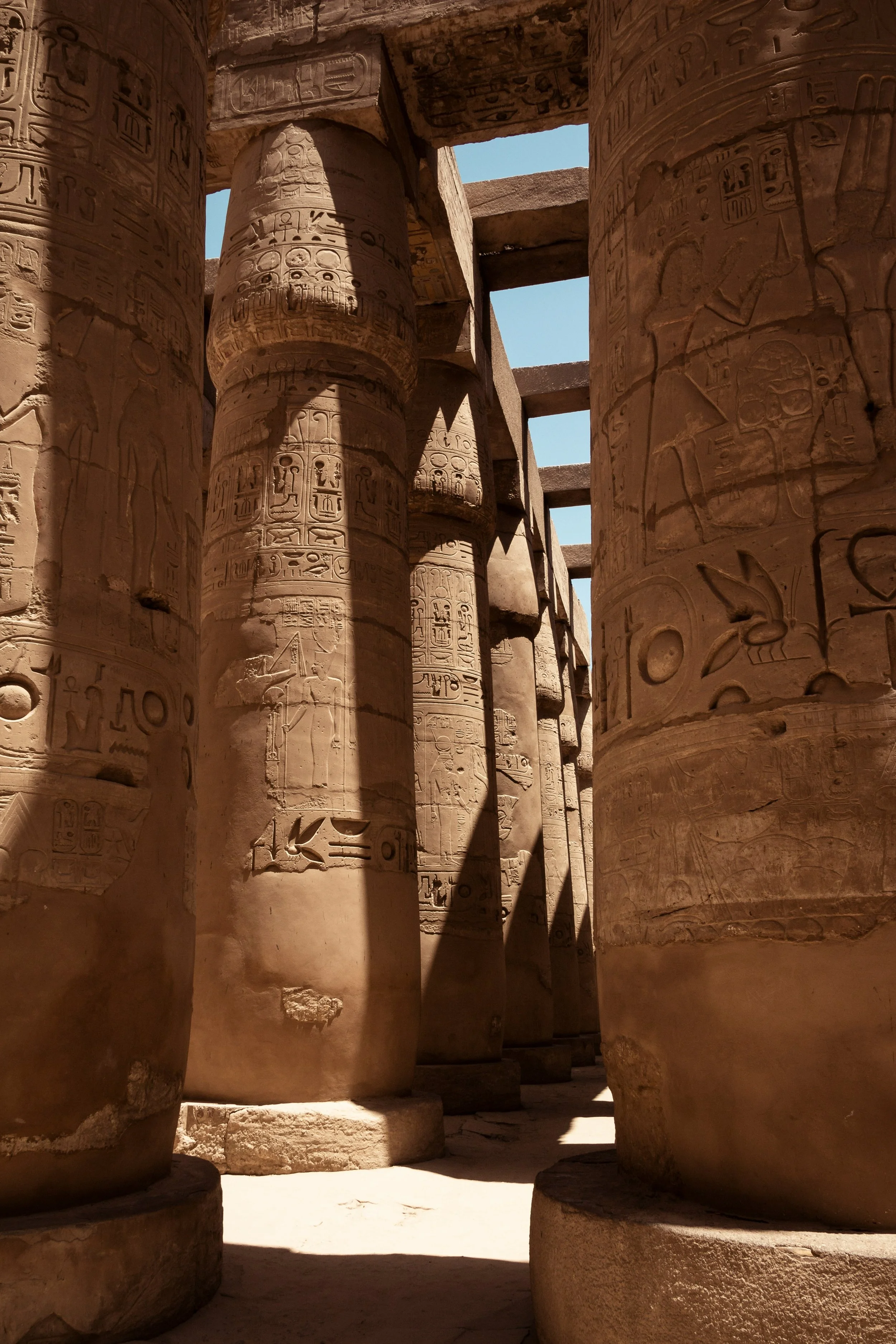
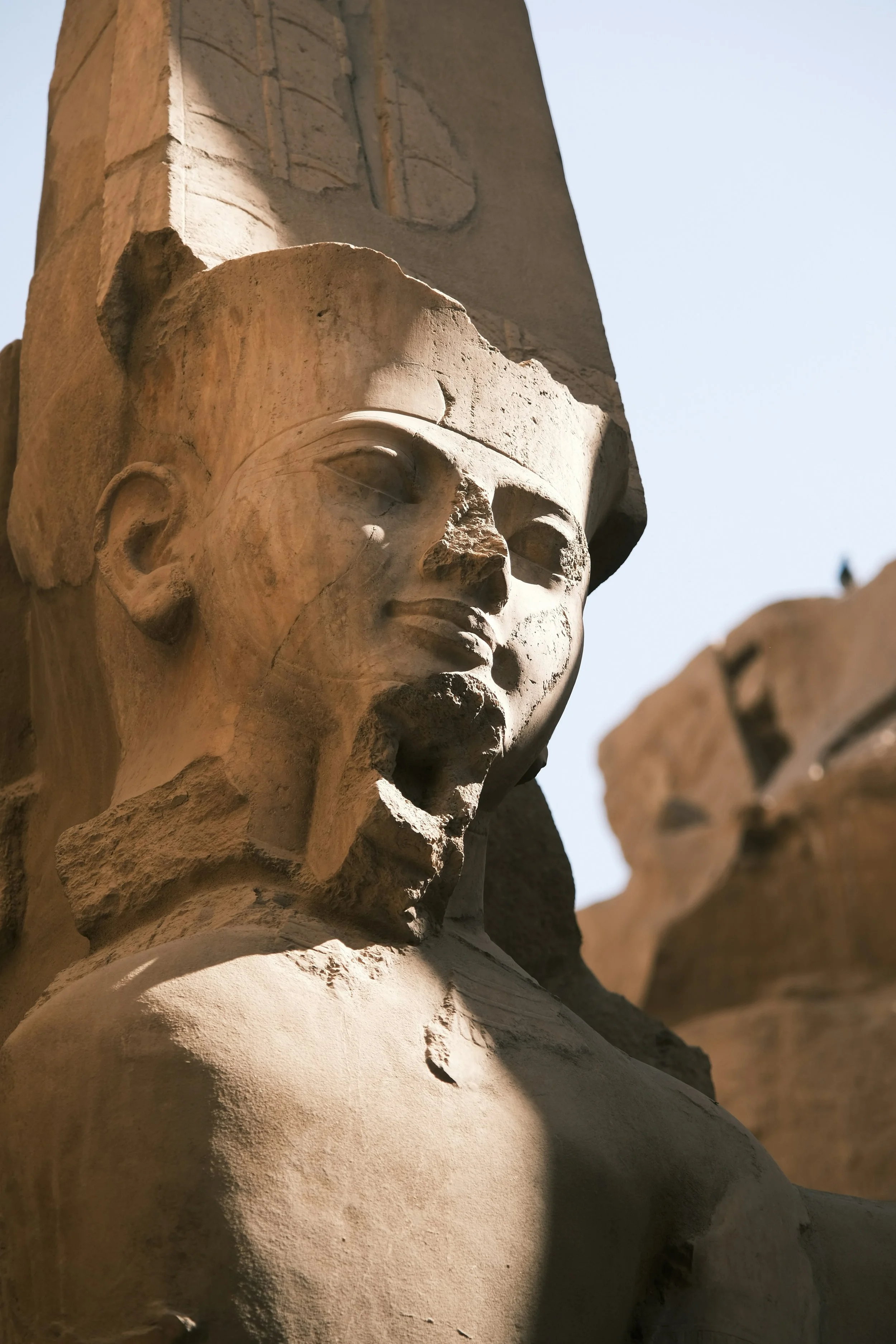
Explore the largest religious complex of ancient Egypt, dedicated primarily to Amun-Ra and expanded over more than 1,500 years by successive pharaohs. Karnak is not a single temple but an entire ceremonial city: vast courtyards, obelisks, sanctuaries, sphinx-lined avenues, and monumental gateways. The Great Hypostyle Hall, with its 134 towering columns carved with hymns, royal names, and scenes of ritual, remains one of the most striking architectural spaces in the ancient world. Its scale, repetition, and verticality create a powerful sense of structured order.Luxor Temple
Continue to Luxor Temple, linked to Karnak by the ancient Avenue of the Sphinxes. Built primarily by Amenhotep III and later expanded by Ramesses II, the temple reflects the close relationship between religion and kingship. Unlike Karnak’s vast complexity, Luxor presents a more unified and refined architectural composition, particularly in its colonnaded court and processional alignment along the river.Evening on Board
Return to your private dahabeya for dinner while docked in Luxor. The evening allows time on deck, observing the Nile as city lights settle along the opposite bank, marking the close of a day spent within Thebes’ ceremonial heart.Meals: Breakfast, Lunch, Dinner
Overnight: Private DahabeyaVisits:
• Karnak Temple
• Luxor Temple -
Ritual Moment
Contemplation on transformation, lineage, and rebirth.
Overview
The West Bank of Luxor turns fully toward themes of transition and continuity. Beneath desert mountains, kings carved their journeys toward eternity into stone, mapping celestial rebirth across chambered walls. Nearby, queens and royal children were honored with tombs that emphasize protection, lineage, and divine renewal. This day expands the understanding of royal power — not only as authority expressed outwardly, but as continuity carried through family, theology, and memory. Architecture here moves inward, into depth, into narrative, into the idea of renewal across generations.Itinerary
Morning Disembarkation from Your Dahabeya
After breakfast, check out from your private dahabeya and disembark in Luxor. Meet your driver and Egyptologist and begin the day’s exploration on the West Bank, transitioning from river life into the desert landscape of ancient Thebes.Valley of the Kings
Enter the royal necropolis of the New Kingdom, where pharaohs were buried in elaborately decorated tombs carved deep into the desert cliffs. Inside, corridors and chambers are covered with scenes from sacred texts — celestial maps, gods, and ritual sequences guiding the king toward rebirth and eternity. The Valley reveals both the spiritual imagination and technical mastery of ancient Egypt.— Notable tombs frequently open to visitors include:
Ramses IV
Ramses III
Merenptah— Additional tombs available for visit may include:
Tutankhamun
Ramesses V & VI
Seti I
AyValley of the Queens
Continue to the Valley of the Queens, burial ground for royal women and children of the New Kingdom. The tombs here present a more intimate expression of afterlife theology, with refined compositions and protective deities guiding the deceased through transformation. The artistic detail often feels delicate and intentional, emphasizing continuity of lineage and the spiritual role of queens within dynastic stability.Your standard entry ticket allows access to three beautifully preserved tombs.
— Notable tombs often open to visitors include:
Prince Amenherkhepshef
Queen Titi
Prince Khaemwaset— Additional optional tomb available for visit:
Queen Nefertari
One of the most celebrated tombs in Egypt. Its vividly preserved wall paintings, delicate color palette, and poetic religious texts present the queen’s journey through the afterlife with exceptional clarity and grace, standing as a benchmark of New Kingdom funerary art.Temple of Hatshepsut
Conclude at the terraced mortuary temple of Hatshepsut at Deir el-Bahari. Rising in symmetrical tiers aligned with the cliffs behind it, the temple presents kingship through balance and architectural precision. Reliefs depict her divine birth and her expedition to the Land of Punt, reinforcing legitimacy through narrative and solar alignment. As one of the most powerful female rulers of ancient Egypt — and the first woman of the New Kingdom to assume full pharaonic titulary — Hatshepsut redefined the visual language of kingship during her reignTransfer to Your Hotel in Luxor
At the end of the day’s visits, transfer across the Nile to your hotel. Check in and settle into the evening at leisure.Meals: Breakfast, Lunch
Overnight: LuxorVisits:
• Valley of the Kings
• Valley of the Queens
• Temple of Hatshepsut -
Ritual Moment
Contemplation on devotion, joy, and the continuity of sacred knowledge.
Overview
This day moves beyond Luxor into two of Egypt’s most refined and spiritually resonant temple complexes. At Abydos, ancient cult center of Osiris, the emphasis rests on resurrection, dynastic continuity, and the structured theology of rebirth. The reliefs of Seti I articulate permanence through lineage and sacred order. At Dendera, dedicated to Hathor, the tone shifts toward harmony, music, joy, and celestial rhythm. Its astronomical ceilings and luminous reliefs express cosmic balance rather than royal succession. Experienced together, these temples reveal two complementary dimensions of Egypt’s sacred worldview — renewal and harmony, continuity and celebration — forming a coherent dialogue across the Nile Valley.Itinerary
Morning Pickup — From Your Hotel
Meet your Egyptologist and driver for the journey north through the Nile Valley. The drive passes villages, palm groves, and cultivated fields that reflect Egypt’s enduring agricultural landscape. The route to Abydos takes approximately three hours.Temple of Seti I at Abydos
One of Egypt’s most sacred sites, Abydos was long associated with Osiris, god of the afterlife and renewal. The temple, begun by Seti I and completed by Ramesses II, is renowned for its remarkably preserved wall reliefs — among the most detailed and refined in Egypt. Within its halls appears the Abydos King List, a carved chronological record of pharaohs that affirms dynastic lineage and continuity.Scenic Drive to Dendera
Continue south through the Nile Valley for approximately two hours. The road follows the river’s curve, offering views of palm groves, cultivated land, and scenes of daily rural life.Temple of Hathor at Dendera
Dedicated to Hathor, goddess of love, music, joy, and celestial harmony, Dendera is one of the best-preserved temple complexes in Egypt. Constructed during the Ptolemaic period and completed under Cleopatra VII, the temple is celebrated for its richly decorated hypostyle hall and the famous Zodiac ceiling panel. The astronomical carvings and vibrant reliefs reflect a sophisticated synthesis of theology, art, and cosmic order.Return Transfer
Return to Luxor in the late afternoon and transfer back to your hotel. The evening remains at leisure, allowing the impressions of these two sacred centers to settle in a quieter setting on land.Meals: Breakfast, Lunch
Overnight: LuxorVisits:
• Temple of Seti I at Abydos
• Temple of Hathor at Dendera -
Ritual Moment
Integrating the river’s rhythm before moving forward.
Overview
This day marks a clear transition from river life to air travel — from the steady current of the Nile to the structured movement of modern transit. The sequence unfolds with intention and continuity. An overnight near Cairo Airport provides comfort and spaciousness within the journey, preserving rest and composure before the move into Sinai. The day functions as a bridge between landscapes — from Upper Egypt’s ceremonial depth to the mountain stillness of the peninsula ahead.Itinerary
Morning Pickup — From Your Hotel
After breakfast, check out from your hotel and meet your private driver for transfer to Luxor International Airport. The city of Thebes gradually recedes as you move toward the runway, carrying the river chapter with you.Transfer to Luxor Airport
Your private driver accompanies you across the East Bank toward Luxor International Airport. The familiar temple skyline gradually recedes, marking your departure from Thebes.Flight Luxor → Cairo
A short domestic flight carries you north, retracing the Nile Valley from above — desert edges, cultivated strips, and river bends visible beneath the wings.Arrival & Transfer to Airport Hotel
Upon landing in Cairo, you are met and transferred to a hotel located near the airport. The proximity ensures ease for the following morning’s departure while maintaining comfort and privacy.Evening at Leisure
The evening is intentionally unstructured. Time to rest, reset, and allow the journey to reorganize internally before entering an entirely new terrain the next day.Meals: Breakfast
Overnight: Cairo Airport Area
Hotel selection based on availability:
• Le Méridien Cairo Airport
• Waldorf Astoria Cairo Heliopolis -
Ritual Moment
Transition from river horizon to mountain silence.
Overview
The movement continues eastward, from the cultivated Nile Valley toward Sinai’s granite ranges and open sea. The flight to Sharm El Sheikh accelerates the geography; the overland drive to Taba restores immersion. The road weaves through mountain corridors, expansive desert valleys, and along the striking coastline of the Red Sea. Fjord Bay appears unexpectedly — a dramatic meeting of steep rock and deep blue water. As the route follows the shoreline north, the setting becomes increasingly remote and elemental. Arrival in Taba marks entry into a hidden coastal enclave shaped by mountains, sea, and clarity.Itinerary
Morning Transfer — To Cairo Airport
A short private transfer brings you to the terminal for departure toward Sinai.Flight Cairo → Sharm El Sheikh
Domestic flight to the Sinai Peninsula, where the terrain shifts from river valley to coastal mountains.Arrival in Sharm El Sheikh — Airport Pickup
Meet your private driver and begin the journey north toward Taba.Mountain Road Through Sinai
The drive unfolds through granite mountain ranges and open desert passages. The road is typically quiet, allowing the landscape to dominate — layered rock formations, shifting light, and expansive sky.Fjord Bay
Pause at Fjord Bay, a dramatic coastal inlet where steep cliffs descend into clear Red Sea water. The setting offers a striking visual contrast between mountain mass and marine depth.Red Sea Coastal Drive
Continue parallel to the coastline, with mountains rising behind and the Red Sea stretching alongside the road.Arrival in Taba
Reach Taba, a secluded coastal destination set between desert mountains and the sea. Check in and settle into the stillness that defines this northern edge of Sinai.Meals: Breakfast, Dinner
Overnight: Taba -
Ritual Moment
Standing at the meeting of four horizons, reflecting on perspective and interconnectedness.
Overview
This day is intentionally unstructured, allowing full immersion in one of the most geographically unique corners of the Red Sea. Taba rests along a narrow gulf where four countries converge within a single, concentrated view. Standing on Egyptian soil, Jordan lies across the water, Israel to the north, and Saudi Arabia to the south. The geography is rare, but it is also visually striking — layered mountains, shifting light on deep blue water, and a coastline shaped by stillness. The setting invites spaciousness. Here, the experience is simply to inhabit the place: sea, mountains, horizon.Itinerary
Day at Leisure — Taba, Red Sea
The day is yours to move at your own rhythm. Swim in the clear waters of the gulf, walk along the shoreline in the soft light of morning or evening, or sit quietly facing the layered mountain silhouettes across the water. The coastline is calm, the air dry and clear, and the atmosphere defined by its unusual concentration of geography.The narrow stretch of sea creates a sense of closeness between nations, while the surrounding desert mountains preserve privacy and quiet. As light shifts throughout the day, the contours of Jordan, Israel, and Saudi Arabia appear in subtle gradients across the horizon — a rare visual alignment that feels both expansive and contained.
Evening settles slowly here. The sea darkens, mountain outlines deepen, and the stillness becomes more pronounced. Time in Taba is not structured by presence.
Meals: All Inclusive
Overnight: Taba -
Ritual Moment
Watching the horizon where sea and mountains meet, allowing insight to surface naturally.
Overview
After movement through temples, desert, river, and mountain, this day is devoted to integration. Taba’s unique geography — mountains enclosing a narrow gulf where four nations face one another across water — creates both containment and perspective. The stillness here is not emptiness; it is clarity. The absence of agenda allows the experience of Egypt to settle internally, without analysis or structure. Sea air, light shifting across granite ridges, and the quiet rhythm of waves create a setting where reflection happens without effort.Itinerary
Morning by the Red Sea
Begin slowly. Swim in clear water that reflects the surrounding mountains, or walk along the shoreline as light moves across the gulf. The proximity of Jordan, Israel, and Saudi Arabia across the water adds an unusual awareness of scale — distance that feels visually close.Midday Rest & Private Time
Return to your hotel terrace or shaded beach space. Journaling, reading, or simple stillness become part of the landscape. The calm environment supports digestion of what has been seen and felt throughout the journey.Afternoon Horizon Walk
A gentle walk along the coast as the sun lowers, observing how the mountain silhouettes shift in tone. The geography here invites perspective — both outward and inward.Evening by the Water
Dinner by the sea. Night in Taba carries a quiet depth; the outlines of surrounding countries remain faintly visible across the gulf, reinforcing the rare concentration of place.Meals: All Inclusive
Overnight: Taba -
Ritual Moment
Standing at the water’s edge, acknowledging completion and welcoming what comes next.
Overview
This final full day in Taba is about completion rather than activity. The mountains and sea form a natural enclosure, offering a contained space to look back across the journey — from Giza’s geometry to desert silence, from temple interiors to Nile current. Here, the experience consolidates. The four-country horizon becomes symbolic of perspective: multiple directions visible at once, yet grounded in a single place. The day carries a quiet sense of readiness for return.Itinerary
Sunrise or Early Sea Swim
Begin with the soft light over the gulf. The early hours are particularly clear, revealing layered mountain ridges across the water.Day at Ease
Unstructured time to enjoy the Red Sea — swimming, resting, or simply watching the light move across stone and sea. The calmness of this corner of Sinai supports reflection without effort.Personal Reflection Time
A final opportunity to articulate, silently or in writing, what has shifted during the journey. The environment provides containment; nothing presses forward.Evening on the Coast
A final dinner in Taba, accompanied by the steady rhythm of the water and the quiet presence of surrounding landscapes.Meals: All Inclusive
Overnight: Taba -
Ritual Moment
Integration of the journey through movement across open landscape.
Overview
The return from Taba to Cairo unfolds as a final passage through Sinai’s expansive terrain. The road moves between mountain contours and wide desert stretches, at moments tracing the Red Sea coastline before turning inland. The drive becomes part of the closure — a gradual transition from the stillness of the gulf to the broader horizon of mainland Egypt. Arrival in Cairo brings you back to the capital in a quieter rhythm than when you first arrived, now carrying the depth of the journey with you.Itinerary
Departure from Taba
Begin the overland drive from Taba, leaving behind the calm waters where four borders meet.Scenic Drive Through Sinai
Travel through mountain roads and open desert expanses. Sections of the route follow the Red Sea before gradually shifting toward inland desert plateau. The changing terrain offers a final sequence of Egypt’s elemental landscapes — rock, sand, distance, and sky.Arrival in Cairo
Upon arrival, transfer to airport-area hotel for a relaxed evening and convenient positioning for tomorrow’s departure.Meals: Breakfast
Overnight: Cairo Airport Area
Hotel selection based on availability:
• Le Méridien Cairo Airport
• Waldorf Astoria Cairo Heliopolis -
Ritual Moment
Quiet acknowledgment of completion and continuity.
Overview
This final morning in Cairo centers on integration. After moving through desert silence, solar temples, river rhythm, mountain roads, and the still waters of the Red Sea, the journey gathers into a clear awareness. The landscapes have shifted; the pace has softened; something internal has aligned. The closing hours remain calm and composed, offering space to recognize the full arc of the Heartline — from monument to horizon to water to sky — and to carry that steadiness forward into your onward travels.Itinerary
Private Transfer to Cairo International Airport
After breakfast, your driver meets you for your airport transfer. The departure is smooth and well-coordinated, marking a steady close to your time in Egypt and the beginning of your next destination.Meals: Breakfast
Overnight: —
THE ROUTE ON THE MAP
Important NoteDesert routes may change due to weather, road conditions, or safety considerations. Your guide will make adjustments only when necessary, ensuring your comfort and safety while preserving the essence and highlights of the itinerary.
INCLUSIONS
GUIDING & EXPERTISEPrivate English-Speaking Egyptologist Guide
Professional Private Local Desert Guide
TRANSPORTATION & LOGISTICSDedicated private driver throughout the journey
All transfers in a private air-conditioned vehicle, including airport arrivals and departures
4×4 vehicles for all off-road travel
DOMESTIC FLIGHTCairo → Aswan
Luxor → Cairo
Cairo → Sharm El Sheikh
SIGNATURE WATER EXPERIENCESNile Cruise:
5-star Private Dahabeya Nile Cruise Between Aswan and Luxor
ACCOMMODATION & STAY OVERVIEW3 nights in Cairo
5-star hotel
Bed & Breakfast3 nights in the Western Desert
Private desert camp
Full Board2 nights in Aswan
5-star hotel
Bed & Breakfast3 nights on the Nile
Private 5-star Dahabeya
Full Board2 nights in Luxor
5-star hotel
Bed & Breakfast3 nights in Cairo Overlay
5-star hotel
Bed & Breakfast4 nights in Taba
5-star Red Sea resort
All Inclusive
MEALS & CULINARY INCLUSIONSMeals are included as outlined in the itinerary
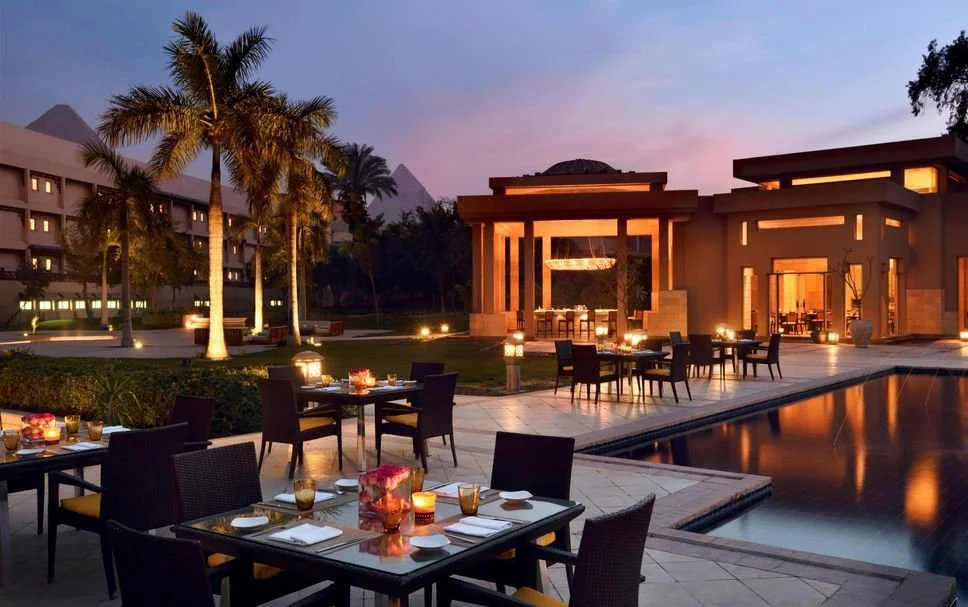
SELECTED HOTELS — CAIROMarriott Mena House Giza
Hyatt Regency Cairo West
SELECTED HOTEL — LUXORSofitel Winter Palace
SELECTED HOTEL — TABASteigenberger Hotel & Nelson Village
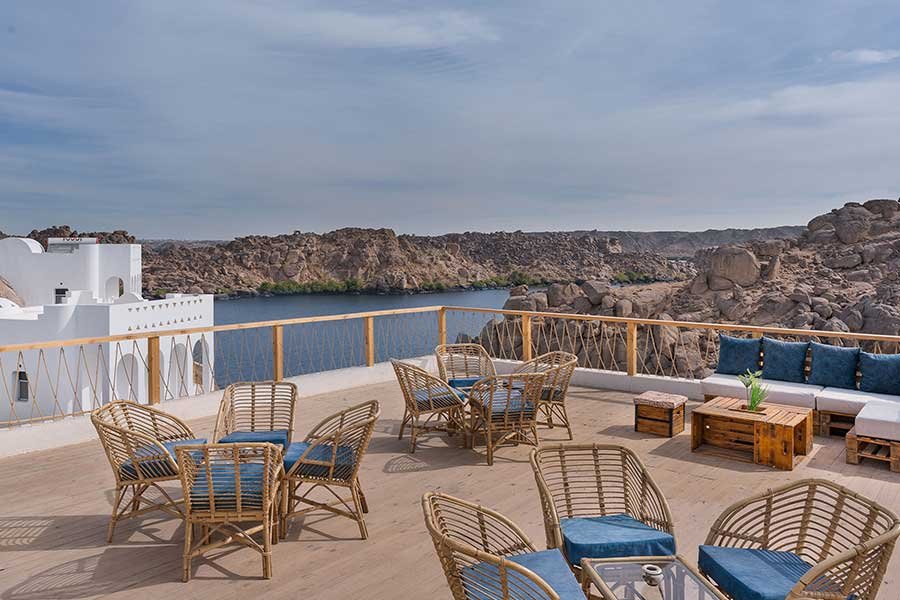
SELECTED HOTELS — ASWANKato Dool Wellness Resort
BenBen By Dhara Hotels
SELECTED DESERT & OASIS LODGESQusur El Arab area — Desert camping or desert lodge
White Desert — Desert camping or desert lodge
ACCESS & SERVICESVIP Fast-Track Airport Arrival Service
Entrance fees to all archaeological sites and museums mentioned in the itinerary
Bottled water during all tours and transfers
All service charges and government taxes
ACTIVITIES & EXPERIENCES Sunrise access to the Giza Plateau
Private northern access to the Step Pyramid at Saqqara
A Note on Accommodation Availability One property from this curated selection will be confirmed for your journey. Final placement is subject to availability, ensuring that your experience always aligns with our rigorous standards for comfort and character.
EXCLUSIONS
INTERNATIONAL TRANSITAll international flights to and from Egypt. This itinerary commences upon arrival at your designated Egyptian gateway and concludes with your international departure
PERSONAL PROTECTIONComprehensive travel and medical insurance
ELECTIVE EXPERIENCESSupplementary site visits, optional excursions, or personal expenditures not specifically detailed in the itinerary